
Diamond Shapes from Antwerp
A complete guide to all 10 diamond shapes — from the classic round brilliant to the distinctive heart cut. Find the shape that matches your style.
Diamond Education
What is a Diamond Shape?
A diamond's shape refers to its physical outline when viewed from above — round, square, rectangular, pear-shaped, and so on. It is the first thing most people notice about a diamond and often the most personal choice in the buying process.
Shape is different from cut. While shape describes the diamond's silhouette, cut refers to how well its facets are proportioned to reflect light. A well-cut diamond in any shape will display exceptional brilliance and fire.
Each shape has its own character, brilliance pattern and price point. The round brilliant remains the most popular choice worldwide, but fancy shapes — oval, princess, cushion and others — offer distinctive aesthetics and often better value per carat.

Our Shapes Collection
Explore All Diamond Shapes
Every shape certified by GIA, HRD or IGI — sourced directly from Antwerp's diamond district.

Round Brilliant
Most Popular
The classic choice with maximum brilliance. 58 facets engineered for unmatched sparkle and fire.

Oval
Trending
Elongated brilliance that flatters the finger. Appears larger than a round of equal carat weight.

Cushion
Vintage Romance
Soft rounded corners with a pillow-like shape. Broad facets showcase mesmerising light play.

Princess
Modern Classic
A square silhouette with brilliant-style faceting. Sharp corners and contemporary sparkle.
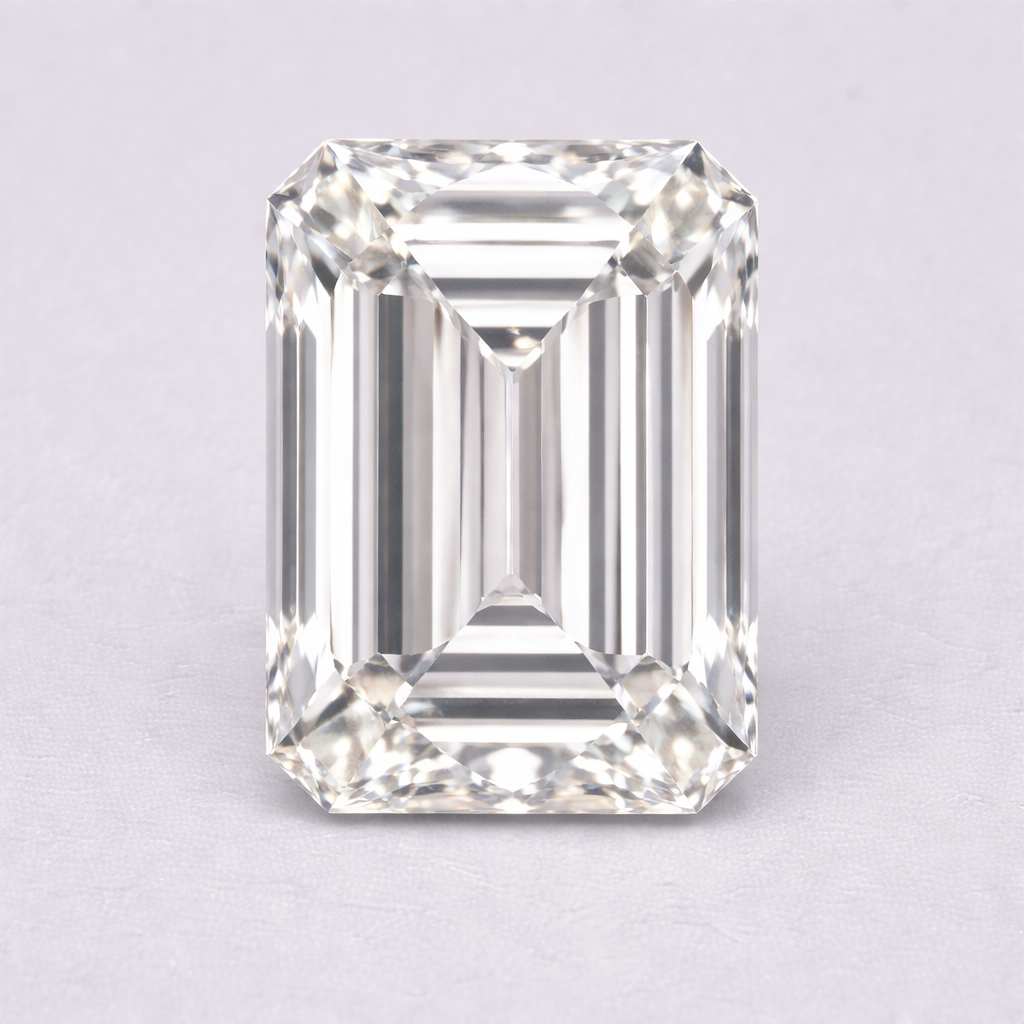
Emerald
Art Deco
Step-cut facets create a hall-of-mirrors effect. Prized for its understated, architectural elegance.

Pear
Distinctive
A teardrop silhouette combining the round's brilliance with the marquise's elongation.

Marquise
Maximum Presence
The largest face-up area of any shape. Elongated points create a dramatic, regal look.

Radiant
Bold Sparkle
Cropped corners with brilliant-cut faceting. Combines the emerald's shape with fire and brilliance.

Asscher
Architectural
A square step-cut with deep pavilion facets. Art Deco heritage with a distinctive windmill pattern.
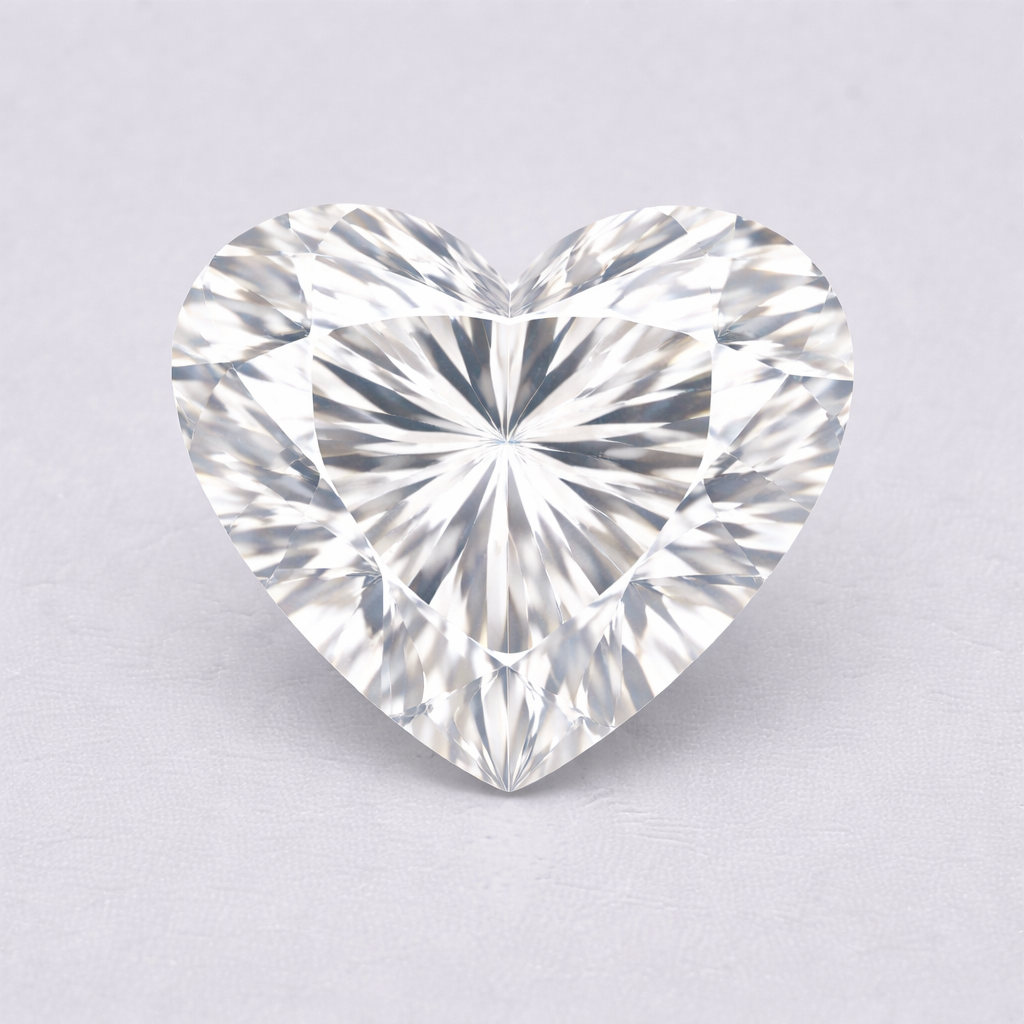
Heart
Timeless elegance
The ultimate symbol of love. A modified brilliant with a distinctive cleft and symmetrical lobes.
At a Glance
Diamond Shape Comparison
Compare brilliance, relative price and popularity across all 10 shapes.
| Shape | Brilliance | Price vs Round | Popularity | Best For |
|---|---|---|---|---|
| Round Brilliant | Exceptional | Highest | Maximum sparkle, classic engagement rings | |
| Oval | Excellent | 20–30% less | Elongating the finger, modern elegance | |
| Princess | Excellent | 20–30% less | Contemporary style, solitaire settings | |
| Cushion | Very Good | 25–35% less | Vintage-inspired designs, halo settings | |
| Emerald | Good | 30–40% less | Art Deco style, clarity-focused buyers | |
| Pear | Very Good | 25–35% less | Pendants, earrings, unique rings | |
| Marquise | Very Good | 30–40% less | Maximum face-up size, elongated fingers | |
| Radiant | Excellent | 25–35% less | Coloured diamonds, three-stone settings | |
| Asscher | Good | 30–40% less | Art Deco collectors, vintage style | |
| Heart | Very Good | 25–35% less | Romantic gifts, symbolic jewellery |
At A Glance
How to Choose Your Diamond Shape
Three key factors to consider when selecting the right shape for your diamond.
Personal Style
Your diamond shape should reflect the wearer's personality and aesthetic preference.
- Classic: Round, cushion, oval
- Modern: Princess, radiant, emerald
- Unique: Pear, marquise, asscher, heart
Budget & Value
Fancy shapes typically cost 20–40% less than rounds of equivalent quality. This is because round diamonds lose more rough material during cutting.
- Best value: Cushion, pear, marquise
- Biggest look: Marquise, oval, pear
- Premium: Round brilliant
Setting & Purpose
Different shapes work better in specific settings and types of jewellery.
- Classic: Round, cushion, oval
- Modern: Princess, radiant, emerald
- Unique: Pear, marquise, asscher, heart
Common Questions
Frequently Asked Questions
Everything you need to know about diamond shapes.
What is the most popular diamond shape?
The round brilliant is by far the most popular diamond shape, accounting for approximately 75% of all diamonds sold. Its 58-facet design maximises light return, producing the most brilliance and fire of any shape. Oval diamonds have surged in popularity in recent years and are now the fastest-growing shape.
What is the difference between diamond shape and diamond cut?
Shape refers to the diamond's outline when viewed from above — round, oval, square, and so on. Cut refers to how well the diamond's facets are proportioned and aligned to reflect light. A diamond can be an oval shape with an excellent cut, or an oval shape with a poor cut. Learn more about diamond cut grades
Which diamond shape looks the biggest?
Marquise and oval diamonds have the largest face-up area relative to their carat weight, making them appear bigger than other shapes of the same weight. Pear shapes also appear larger due to their elongated silhouette. Round brilliants, while having excellent sparkle, have a smaller face-up area per carat than most fancy shapes.
Which diamond shape is the cheapest?
Does Diamantwerp sell all 10 diamond shapes?
Yes. We offer certified loose diamonds in all 10 shapes: round, oval, princess, cushion, emerald, pear, marquise, radiant, asscher and heart. Every diamond is certified by GIA, HRD Antwerp or IGI and sourced directly from the Antwerp diamond district. Browse our collection or contact us for personal advice.
How can your prices be so much lower?
We buy directly from cutters and sight-holders in the Antwerp diamond district — cutting out multiple intermediaries. Our low-overhead business model means we pass the savings directly to you. Same certified loose diamonds, fraction of the price.

